Methadone Treatment for Opioid Addiction in Philadelphia, PA
A full opioid agonist dispensed through federally certified Opioid Treatment Programs
Understanding Methadone Treatment
Methadone is an FDA-approved, long-acting full opioid agonist used to treat opioid use disorder. First synthesized in the 1930s and cleared for addiction treatment in 1972, it holds the longest track record of any opioid-addiction medication—more than six decades of clinical research back its safety and effectiveness. Dispensed through federally certified Opioid Treatment Programs (OTPs), commonly called methadone clinics, it remains a gold-standard pillar of medication-assisted treatment (MAT) for people recovering from opioid dependence.
How Methadone Works in the Brain
Methadone attaches to the same mu-opioid receptors in the brain that heroin, fentanyl, and prescription painkillers act on. As a full agonist it fully activates those receptors, yet because it is taken by mouth and absorbed slowly, it avoids the rapid surge of euphoria that accompanies illicit opioid use. What patients get instead is a steady, sustained level of receptor activation that holds off withdrawal and sharply lowers cravings for 24 to 36 hours per dose.
The National Institute on Drug Abuse (NIDA) notes that methadone normalizes brain chemistry and body functions without the highs and lows of short-acting opioids. That pharmacological stability lets patients take part fully in daily life—keeping jobs, attending school, and staying connected to family. Methadone's long half-life, typically 24 to 36 hours, is what makes once-daily dosing effective for most people, though individual metabolism can vary.
Because methadone is a full agonist rather than a partial agonist like buprenorphine, it can be more effective for people with severe opioid dependence or those who have not responded adequately to other medications. SAMHSA guidelines point out that methadone's full agonist properties make it especially suitable for individuals with high-dose opioid tolerance, including those dependent on fentanyl or other potent synthetic opioids.
Methadone Maintenance Vs Detox
Methadone fits into two distinct treatment models: maintenance therapy and medically supervised tapering (detoxification). Methadone maintenance therapy (MMT) means ongoing daily dosing at a stable dose for an extended period—often months, years, or indefinitely. Research consistently shows that a longer duration of methadone maintenance tracks with better outcomes, including reduced illicit opioid use, lower overdose risk, and decreased criminal activity.
Methadone-assisted detoxification, by contrast, uses a gradually decreasing dose over a defined period to help patients taper off opioids completely. While this approach works for some individuals, NIDA research indicates that detoxification alone without ongoing treatment carries high relapse rates—often exceeding 80% within the first year. That is why most clinical guidelines favor maintenance therapy over detoxification-only approaches, as outlined in SAMHSA's Treatment Improvement Protocol (TIP) 63.
The choice between maintenance and tapering should be individualized and made together by the patient and their treatment team. Considerations include the severity and duration of opioid dependence, previous treatment attempts, co-occurring medical or psychiatric conditions, and the patient's own recovery goals. Many people who start out preferring a tapering approach ultimately do better on longer-term maintenance once they feel the stability it provides.
How Methadone Treatment Is Delivered
Methadone treatment follows a structured process built to protect patient safety while reaching the best possible therapeutic outcomes. Care takes place at certified Opioid Treatment Programs, which are regulated by SAMHSA and the Drug Enforcement Administration (DEA) to uphold strict standards for medication dispensing, counseling, and patient monitoring.
Starting Treatment at an OTP
Starting methadone treatment begins with a thorough assessment at a certified OTP. This evaluation covers a medical history, physical examination, urine drug screening, and psychosocial review to set the appropriate starting dose and treatment plan. Federal regulations require that patients meet the diagnostic criteria for opioid use disorder and have at least one year of documented opioid dependence, though exceptions apply for pregnant women, previously treated patients, and those recently released from incarceration.
Unlike Suboxone, which requires patients to be in withdrawal before the first dose, methadone can be started while a patient is still using opioids. The typical starting dose is 20 to 30 milligrams, as recommended by SAMHSA, with careful monitoring across the first several days. Starting doses stay conservative because methadone builds up in the body over several days, and raising the dose too quickly can trigger dangerous respiratory depression.
During the initial stabilization period, which usually lasts one to two weeks, the dose is raised gradually in small increments until the patient reports steady relief from withdrawal and cravings across the full 24-hour dosing interval. Most patients stabilize on doses between 60 and 120 milligrams daily, though some need higher doses depending on their metabolism and the potency of opioids they were using.
Daily Dosing Schedule
Methadone is dispensed in liquid form—usually mixed with a flavored drink—and taken under direct observation by clinic staff. This supervised dosing confirms medication compliance and prevents diversion. Most clinics keep early morning hours, often opening between 5:00 and 6:00 AM, so patients can dose before work or school and get on with their day.
The daily dosing requirement is one of the biggest differences between methadone and other MAT medications. While Vivitrol is given monthly and Suboxone can be prescribed for home use from the start, methadone's status as a full agonist with potential for misuse calls for closer monitoring. That structure also builds in accountability and regular contact with treatment staff—something many patients find steadying during early recovery.
Alongside daily dosing, patients take part in counseling services required by federal regulations. At a minimum, OTPs must provide individual and/or group counseling sessions, with frequency set by the patient's treatment plan. Many clinics add further services, including standard outpatient programming, case management, vocational support, and referrals for medical or psychiatric care.
Take Home Privileges
As patients show treatment stability, they can earn the privilege of take-home doses—sealed bottles of methadone that can be taken at home rather than at the clinic. Federal regulations (42 CFR Part 8) set the criteria for take-home eligibility, including no recent substance use, time in treatment, no serious behavioral problems, and no recent criminal activity. Take-home doses give patients more schedule flexibility and cut the time they spend at the clinic.
The take-home schedule advances step by step. Patients generally become eligible for one take-home dose per week after about 90 days of stable treatment, with more take-homes earned at defined intervals. Patients who maintain two years of continuous stability may qualify for up to a month's supply of take-home doses, cutting clinic visits substantially. During the COVID-19 pandemic, SAMHSA temporarily widened take-home flexibility, and in 2024 SAMHSA made several of these measures permanent while also expanding telehealth-based induction.
Take-home privileges can be pulled back if a patient's stability changes—for example, if drug screening reveals illicit substance use or if the patient misses scheduled appointments. This system of earned privileges keeps up motivation for treatment adherence while protecting patient and public safety. Take-home doses should be stored securely, since methadone can be fatal to opioid-naive individuals, especially children.
Side Effects and Safety Considerations
Like all medications, methadone can cause side effects. Most are mild and tend to ease over the first few weeks of treatment as the body adjusts. Patients should raise any persistent or bothersome side effects with their treatment provider, since dose adjustments or supportive treatments can help. It's important to weigh these side effects against the serious health risks of untreated opioid use disorder.
Common side effects include constipation, sweating (sometimes heavy), drowsiness or sedation especially in the first days of treatment, dry mouth, nausea, and reduced libido. Constipation is often the most persistent and may call for ongoing management with dietary changes, more fluids, or over-the-counter stool softeners. Sweating can persist even at stable doses and may improve by adjusting the dose or the timing of administration.
Serious side effects are less common but need medical attention. They include respiratory depression (slowed or shallow breathing), especially in the first one to two weeks of treatment or after dose increases. QTc prolongation—a heart rhythm abnormality visible on an electrocardiogram—is a known risk, particularly at higher doses, and baseline EKG monitoring is advised for patients on doses above 100 milligrams. The FDA has issued safety communications about methadone's cardiac risks, which is one reason medical supervision matters.
Drug interactions are a key consideration with methadone. Benzodiazepines, alcohol, and other central nervous system depressants can dangerously amplify methadone's sedative and respiratory effects—the FDA has issued a black box warning about this combination. Some medications, including certain antibiotics, antifungals, and antiretrovirals, can change how methadone is metabolized and may require dose adjustments. Patients should always tell their OTP provider about every medication and supplement they take.
Proven Benefits of Methadone Treatment
Methadone treatment rests on one of the strongest evidence bases of any addiction medication, with more than six decades of research documenting its effectiveness. NIDA reports that patients who stay on methadone maintenance for adequate periods show meaningful improvements across multiple outcome measures. The structured nature of OTP-based care also gives patients a consistent therapeutic framework that supports long-term recovery.
- Reduces illicit opioid use by 70% or more — Multiple meta-analyses confirm that methadone maintenance sharply cuts heroin and fentanyl use compared with no medication
- Decreases overdose mortality — Research in major medical journals shows methadone lowers all-cause mortality by roughly 50%, with opioid-related deaths falling even more
- Lowers infectious disease transmission — By reducing injection drug use, methadone helps curb the spread of HIV and hepatitis C, a benefit the CDC has documented extensively
- Reduces criminal behavior — Studies consistently find that patients in methadone maintenance commit fewer drug-related crimes and face fewer incarcerations
- Improves social functioning — On stable methadone doses, patients can hold jobs, keep housing, and take part in family life
- Well-established during pregnancy — Methadone is a first-line standard of care for pregnant women with opioid use disorder, as recommended by the American College of Obstetricians and Gynecologists (ACOG)
- Effective for high-potency opioid dependence — As a full agonist, methadone can adequately treat patients dependent on fentanyl and other potent synthetic opioids who may not respond to partial agonists
The World Health Organization lists methadone among its Essential Medicines, a sign of its critical role in global public health. Despite persistent stigma, methadone maintenance remains one of the most rigorously studied and well-supported treatments in all of addiction medicine, and SAMHSA has named expanding access to methadone a key priority in responding to the ongoing opioid crisis.
Methadone vs. Suboxone vs. Vivitrol
The three FDA-approved medications for opioid use disorder—methadone, buprenorphine (Suboxone), and naltrexone (Vivitrol)—each work through different mechanisms and fit different patient profiles. Knowing how they differ helps patients and providers make informed treatment decisions. No single medication is universally "best"; the right choice comes down to individual circumstances, including severity of dependence, treatment history, and personal preferences.
Methadone is a full opioid agonist dispensed daily at certified clinics. Its main strengths are its effectiveness for severe opioid dependence—including fentanyl—and its ability to be started without first going through withdrawal. On the other hand, it means daily clinic visits at first, carries a risk of respiratory depression, and has potential for misuse. Methadone can be the right fit for patients with long histories of high-dose opioid use, those who have not responded to buprenorphine, or those who do better with the structure of daily clinic attendance.
Suboxone (buprenorphine/naloxone) is a partial opioid agonist that can be prescribed in office-based settings and taken at home. Its ceiling effect offers a safety advantage over methadone, and patients get more scheduling flexibility. The trade-offs: patients must be in mild-to-moderate withdrawal before starting, and the partial agonist mechanism can fall short for some people with very high opioid tolerance. Suboxone is often the first-line choice for patients with moderate opioid dependence who value convenience and privacy.
Vivitrol (extended-release naltrexone) is an opioid antagonist given as a monthly injection. It has zero abuse potential and removes daily medication decisions, but patients must first complete medical detox and be fully opioid-free for 7 to 14 days before starting—a real barrier for many people. Vivitrol can be a strong fit for patients who have finished detox, prefer non-opioid treatment, or are in settings where opioid medications are restricted (such as certain criminal justice programs).
Who Is Methadone Right For?
While methadone works for a wide range of patients with opioid use disorder, some groups benefit especially from its distinct pharmacological properties and structured treatment setting. Matching the right candidates to methadone treatment helps secure the best possible outcomes and appropriate use of this powerful medication.
Methadone is especially well-suited to individuals with severe or long-standing opioid dependence, particularly those using high-potency opioids such as fentanyl. Patients who tried buprenorphine-based treatments without getting adequate relief from cravings or withdrawal often respond well to methadone's full agonist properties. Pregnant women with opioid use disorder are also strong candidates: methadone has been a standard of care in this population since the 1970s and carries one of the longest safety track records during pregnancy.
People who do well with structured, daily accountability may also thrive in methadone treatment. Regular clinic attendance builds a consistent routine and a built-in connection to treatment staff—features that some patients find stabilizing, especially in early recovery. Patients with co-occurring prescription drug abuse or polysubstance use disorders can be safely treated with methadone under the close monitoring OTP settings provide. And individuals who have not been able to reach or hold the opioid-free window required to start Vivitrol may find methadone a more accessible entry point into treatment.
What Happens at a Methadone Clinic
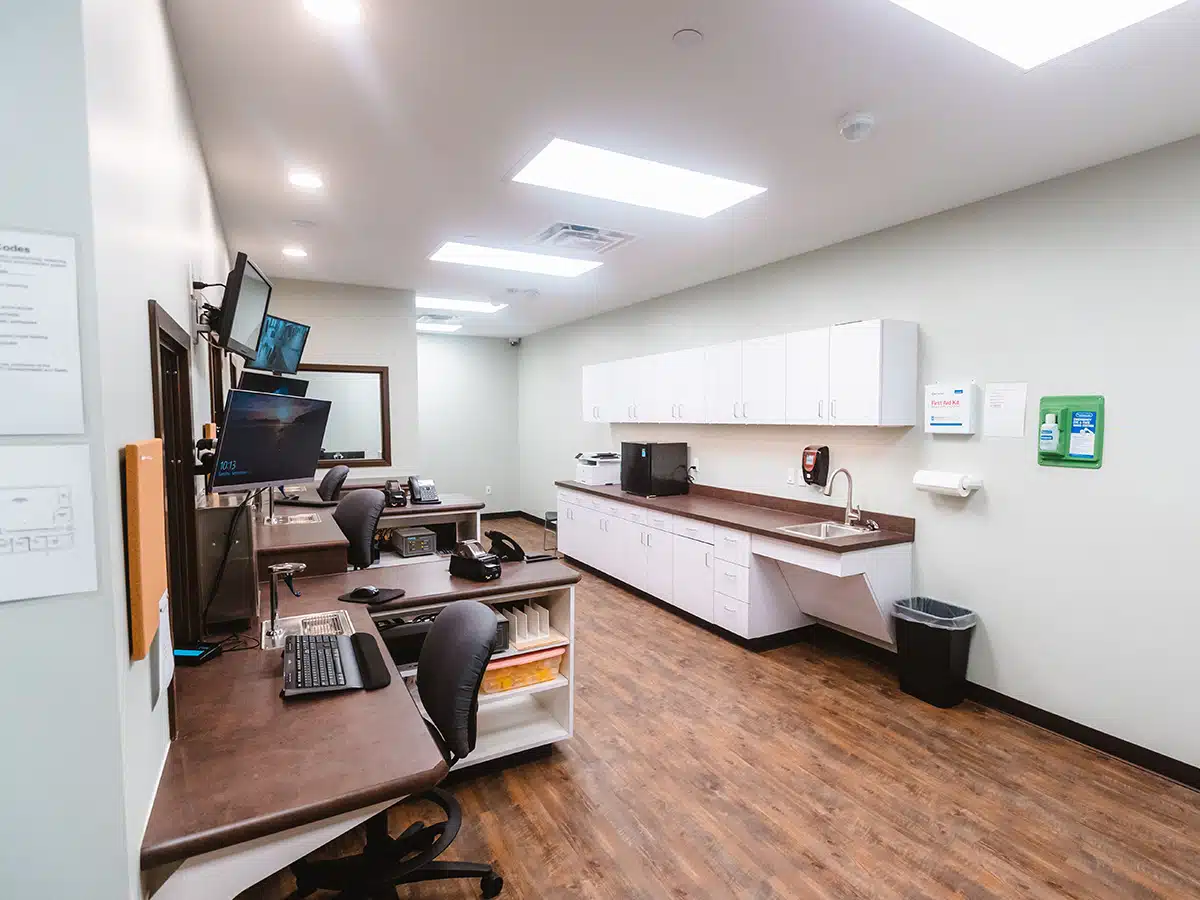
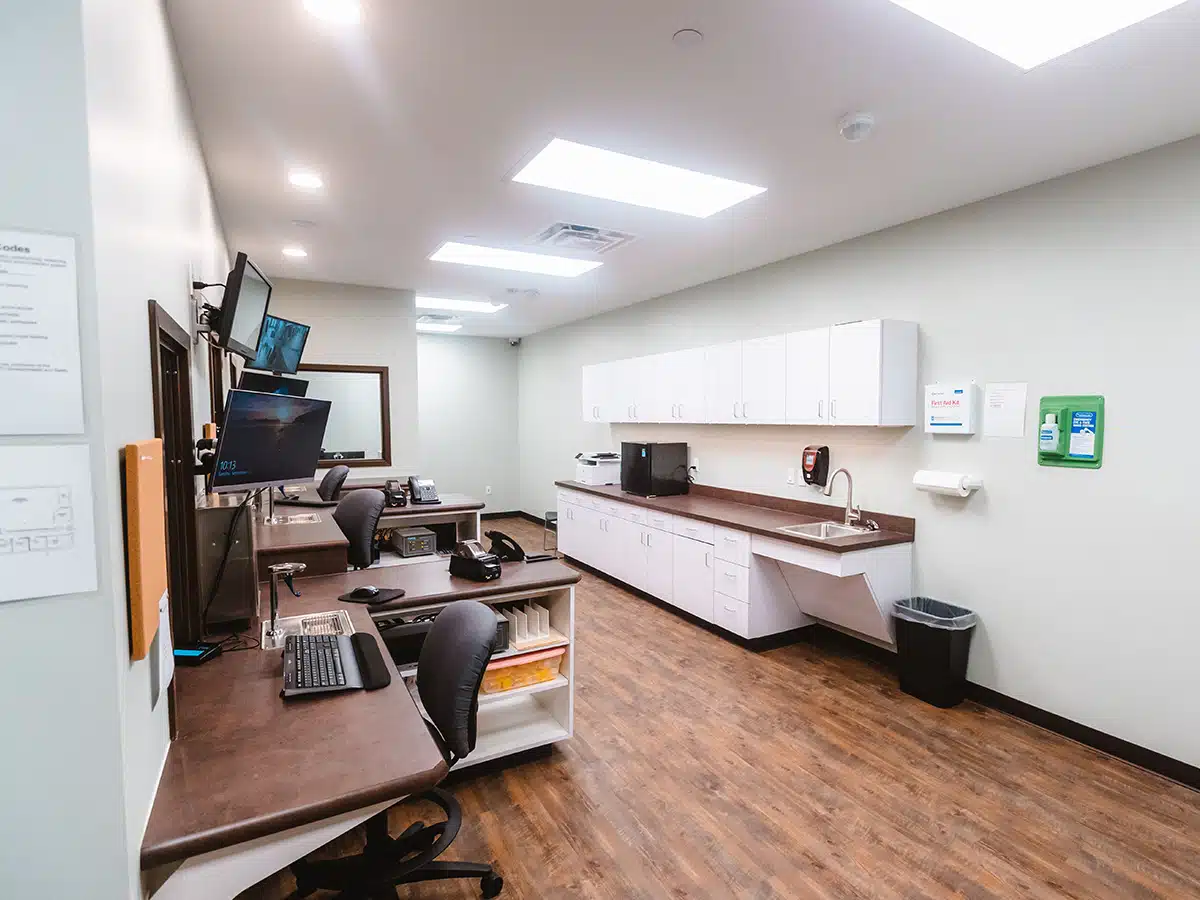
Knowing what to expect at a methadone clinic can ease the anxiety of starting treatment. Opioid Treatment Programs are medical facilities staffed by physicians, nurses, counselors, and administrative personnel trained in addiction medicine. In Pennsylvania, OTPs are licensed by the state Department of Drug and Alcohol Programs (DDAP), and Philadelphia has a concentration of clinics serving the surrounding Main Line communities. While the daily visit can feel daunting at first, most patients settle into a routine quickly and find it becomes a seamless part of their day.
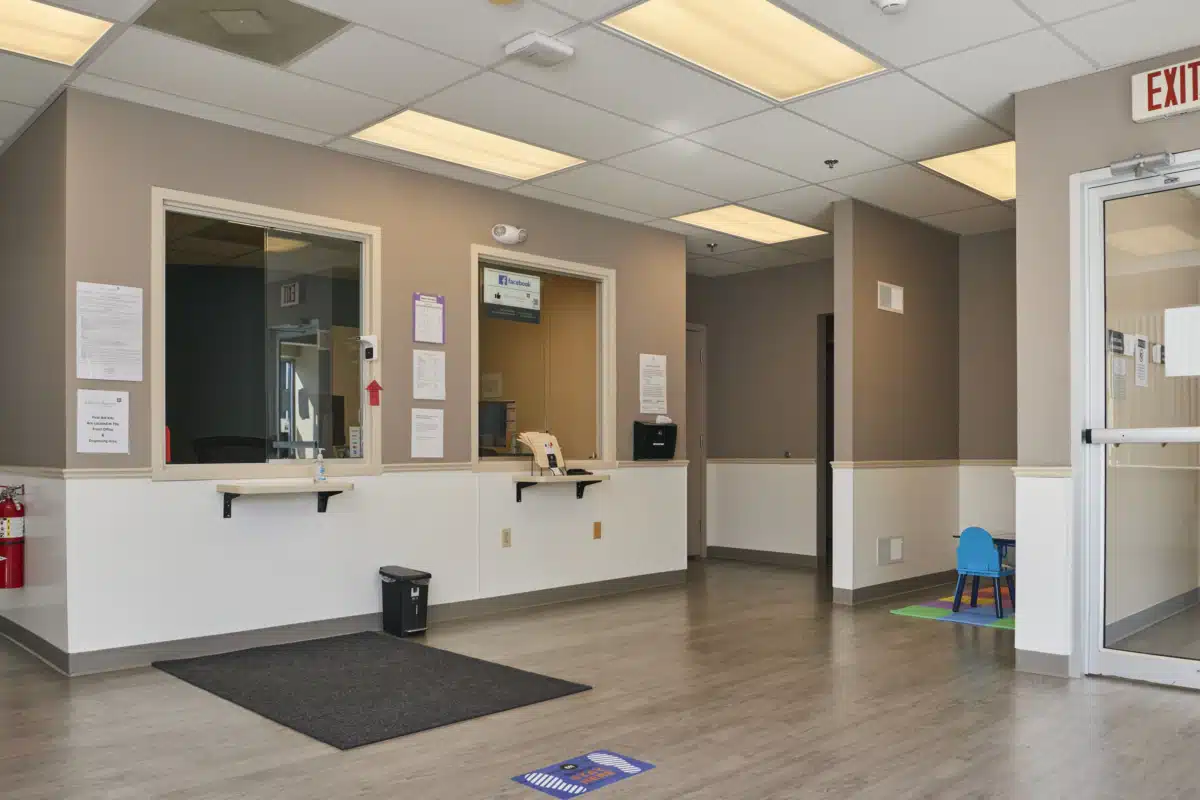
A typical visit starts with checking in at the front desk and showing identification. Patients then move to the dosing window, where a nurse verifies their identity, checks for any clinical notes or dose changes, and dispenses the liquid methadone dose. The medication is taken in front of the nurse, who may ask the patient to speak briefly to confirm it has been swallowed. The dosing itself usually takes only 5 to 15 minutes, though wait times shift with the clinic's patient volume and hours.
Beyond daily dosing, patients attend scheduled counseling sessions—usually weekly or biweekly—and give periodic urine drug screens as their treatment plan requires. Many clinics add support services such as group therapy, peer support programs, medical referrals, and case management for housing or employment needs. Some OTPs fold in primary care, letting patients get medical care at the same facility. The treatment team works with each patient to adjust the plan as recovery progresses.
Today's methadone clinics have moved well beyond the stigmatized image that lingers in popular culture. Many programs now run in professional medical settings, center patient dignity and respect, and use evidence-based practices such as integrated MAT approaches. Patients who feel their clinic falls short of these standards should know that SAMHSA oversees all OTPs and has processes for addressing patient concerns.
How Take-Home Doses Are Earned
Earning take-home doses is one of the most meaningful milestones in methadone treatment, marking both clinical stability and the trust that comes with demonstrated recovery progress. Take-home privileges let patients cut back on clinic visits, adding freedom and normalcy to daily life. The process for earning take-homes is governed by federal regulations and clinic-specific policies, with criteria built to protect patient and community safety.
Under 42 CFR Part 8, the criteria for take-home eligibility include: no recent substance use (verified by drug screening), regular clinic attendance, no serious behavioral problems, no recent criminal activity, a stable home environment, length of time in treatment, and the clinical judgment of the treatment team. The standard progression starts with one take-home per week after about 90 days, two per week after six months, and steadily more privileges up to a 30-day supply after two or more years of continuous stable treatment.
It helps to view take-home eligibility as a motivating benchmark in recovery. Each earned take-home dose trims the time spent commuting to and waiting at the clinic—time that can go instead to work, family, education, or other recovery activities. For patients who first found daily dosing burdensome, the gradual shift to take-home doses shows that methadone treatment grows more flexible as stability takes hold. Patients with take-home privileges should keep their medication in a lockbox and away from children and other household members, since accidental methadone ingestion can be life-threatening to anyone without opioid tolerance.
Find Methadone Clinics in PA
Explore how find methadone clinics in pa fits into methadone treatment and supports recovery in Pennsylvania.
Looking for Opioid Treatment in Pennsylvania?
Browse PA programs or call to talk through your options.
Methadone Treatment: Questions Patients Ask
Resources & Further Reading
Ready to Take the Next Step?
Browse Pennsylvania treatment centers that offer methadone treatment and find a program that fits where you are in recovery.