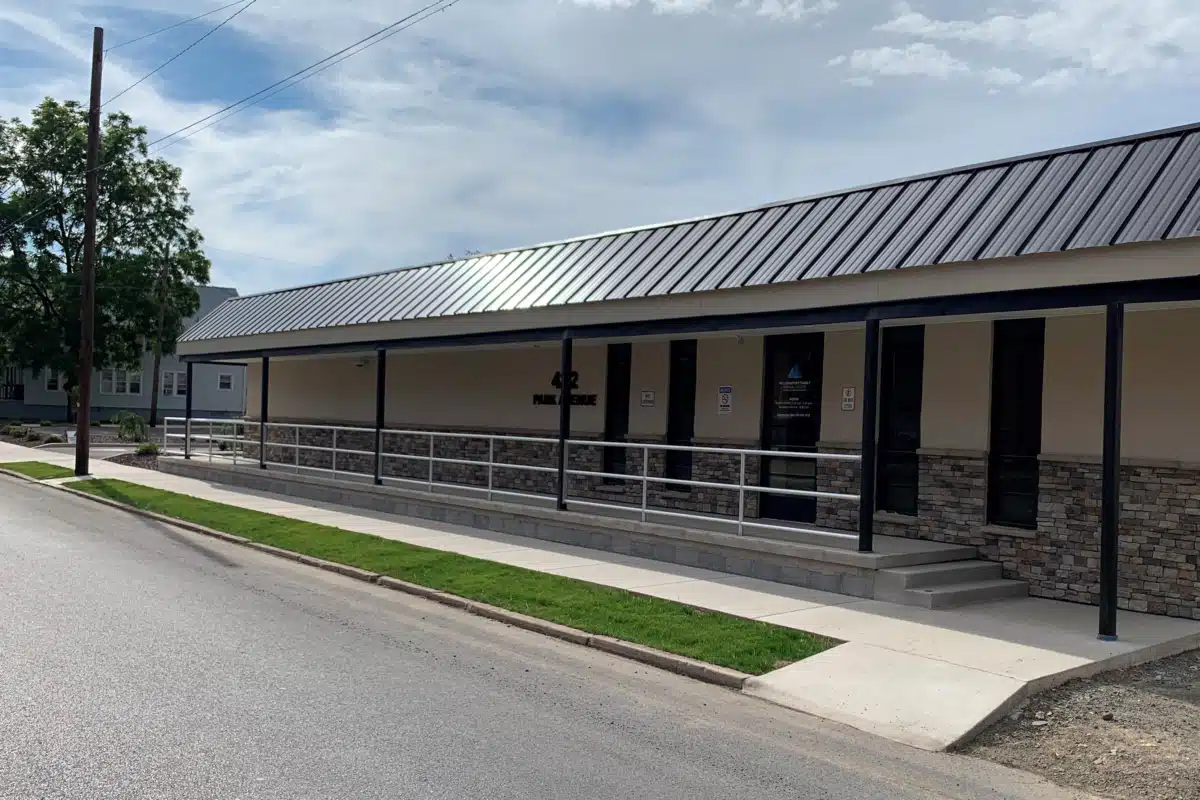
Drug & Alcohol Rehab Centers in Pennsylvania
Pennsylvania rehab options span nearly 500 SAMHSA-listed treatment programs, anchored by 45+ opioid Centers of Excellence that connect primary care directly to addiction specialists. Philadelphia and Pittsburgh hold the state's deepest medication-assisted treatment and dual-diagnosis capacity, and most programs accept PA Medicaid.
Explore Treatment Centers in Pennsylvania
Looking for Opioid Treatment in Pennsylvania?
Browse PA programs or call to talk through your options.
Addiction Treatment in Pennsylvania
Treatment in Pennsylvania covers the full ASAM continuum, from hospital-based medical detox at academic centers like Penn Medicine and UPMC to county outpatient and IOP programs in rural areas. The 45+ Centers of Excellence coordinate opioid use disorder care — buprenorphine and methadone access, counseling, and case management — through a single point of contact. Because the state expanded Medicaid, most Pennsylvania treatment centers accept Medical Assistance alongside commercial plans.
- Centers of Excellence hand you one coordinator for medication, counseling, and referrals instead of separate intake lines
- Research-affiliated care at Penn, Jefferson, and UPMC brings clinical-trial access into routine treatment
- Extensive medication-assisted treatment capacity, including methadone OTPs and office-based buprenorphine prescribers
- Program settings run from dense city networks to rural county services funded through Single County Authorities
Pennsylvania expanded Medicaid, so Medical Assistance (PA Medicaid) pays for detox, medication-assisted treatment, and residential care at most licensed programs, with behavioral health benefits managed through county HealthChoices plans. Medicare and commercial carriers are widely accepted, though prior authorization rules differ by plan.
Types of Treatment Available in Pennsylvania
Medical Detox
Safe, supervised withdrawal with 24/7 medical support and monitoring
Residential Treatment
Live-in programs with structured daily therapy and comprehensive care
Partial Hospitalization (PHP)
Intensive day treatment programs with medical oversight
Intensive Outpatient (IOP)
Flexible scheduling for working professionals and families
Standard Outpatient
Weekly therapy sessions and support groups for ongoing recovery
Sober Living
Transitional housing with peer support and accountability
Expert Tips for Pennsylvania
If opioids are involved, start with a Center of Excellence — one care team handles medication, counseling, and referrals together.
Penn Medicine in Philadelphia and UPMC in Pittsburgh run research-affiliated programs; ask during intake whether a study-linked treatment track fits your situation.
Pennsylvania's warm handoff protocol lets hospital emergency departments place patients directly into treatment — ask the ER social worker before discharge.
Official state resources and organizations providing addiction treatment support in Pennsylvania.
Pennsylvania Department of Drug and Alcohol Programs
Licenses treatment providers statewide and directs Pennsylvania's substance use strategy and funding
1-800-662-4357PA Get Help Now
Round-the-clock phone line that matches callers with open treatment slots and funding options
1-800-662-4357National Resources
Federal resources and hotlines available 24/7 for addiction support.
Free, confidential, 24/7, 365-day-a-year treatment referral and information service
Find treatment facilities in your area
Provides 24/7 free and confidential support for people in distress
Research and information on drug use and addiction
What to Know About Rehab in Pennsylvania
This website provides general information about addiction treatment facilities. It is not a substitute for professional medical advice, diagnosis, or treatment. If you are experiencing a mental health crisis, please call 988 (Suicide & Crisis Lifeline) or 911 for immediate assistance. For substance abuse help, call SAMHSA at 1-800-662-4357.
Data sourced from SAMHSA Treatment Locator, state licensing databases, and facility submissions.